
How to Prevent Pedestrian Accidents?
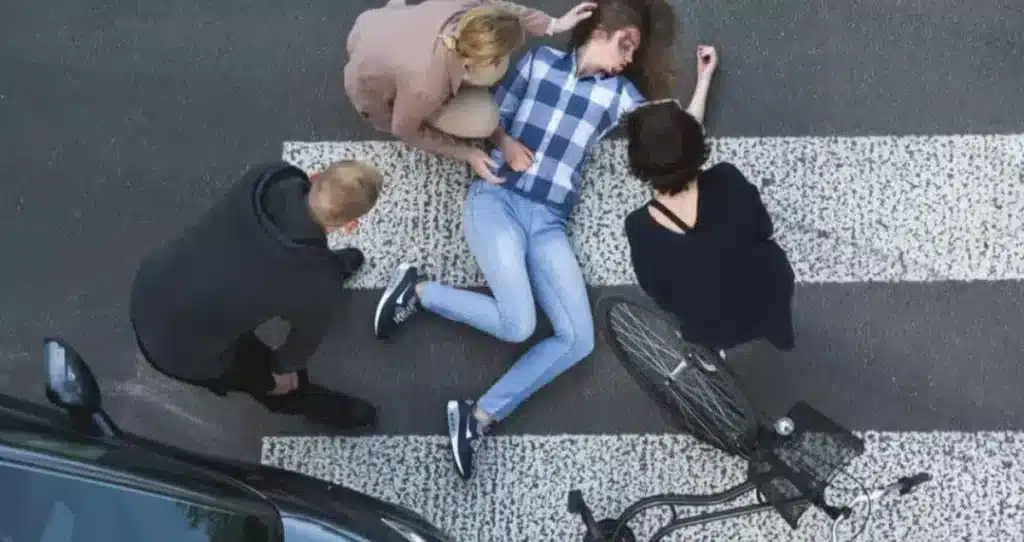
Pedestrian accidents are a growing concern, especially in bustling urban areas. These accidents often lead to severe injuries and sometimes tragic fatalities, making prevention a shared responsibility for pedestrians, drivers, and urban planners. The good news? By adopting mindful habits and enhancing road infrastructure, we can significantly reduce these incidents. Whether you’re navigating the streets on foot or behind the wheel, the tips below will help create safer environments for everyone. Let’s explore practical, actionable strategies to prevent pedestrian accidents.
Pedestrian Safety Tips

As a pedestrian, you’re among the most vulnerable road users. While you can’t control drivers’ behavior, you can take steps to minimize your risk.
Use Designated Crosswalks Whenever Possible
Crosswalks are your safety zones. They’re strategically placed to ensure drivers see you and are prepared to stop. Avoid jaywalking—it may save time, but it’s not worth the risk of an accident. Crossing where there are no marked lines puts the burden on you to judge traffic flow, and even a slight miscalculation can result in disaster. Stick to crosswalks, even if it means walking a little further.
Wait for the Walk Signal Before Crossing
Patience isn’t just a virtue; it’s a lifesaver. Impatiently stepping into traffic without a walk signal can lead to severe consequences. Traffic signals are there for a reason—to give everyone their turn and prevent chaos.
Ensure Drivers See You Before Crossing
It’s easy to assume drivers are paying attention, but that’s not always the case. Making eye contact with the driver ensures they’ve noticed you and are prepared to stop. It’s a simple but effective way to prevent accidents.
Increase Your Visibility, Especially at Night
Nighttime visibility is crucial. Drivers are less likely to spot pedestrians in dimly lit areas. Wearing reflective clothing or accessories and carrying a flashlight can help ensure you’re seen, even from a distance.
Watch for Turning Vehicles and Cyclists
Pedestrians often focus on oncoming traffic but forget about vehicles turning left or right. Cyclists, too, can be a hazard. Stay alert and look both ways—even on one-way streets—to avoid surprises.
Driver Safety Tips
Drivers bear a significant responsibility for pedestrian safety. Simple adjustments to driving habits can have a monumental impact on reducing accidents.
Obey Speed Limits: Slow Down, Especially in Residential Areas
Speeding not only reduces your reaction time but also increases the severity of an accident. Stick to posted speed limits, particularly in areas with high pedestrian traffic, like school zones and residential neighborhoods.
Yield to Pedestrians: Stop for Pedestrians in Crosswalks
When a pedestrian enters a crosswalk, it’s your responsibility to stop and let them cross safely. Texas law mandates this, but beyond legality, it’s a matter of basic human decency.
Avoid Distracted Driving
Distracted driving is a leading cause of pedestrian accidents. Resist the urge to check your phone, adjust the GPS, or eat while driving. Focus entirely on the road to ensure everyone’s safety.
Be Patient: Allow Extra Time for Pedestrians to Cross
Rushing can lead to dangerous decisions. Whether it’s a slow-moving senior citizen or a distracted teenager, allow pedestrians ample time to cross. Aggressive or impatient behavior can cause accidents.
Check Blind Spots
Larger vehicles, like SUVs and trucks, often have significant blind spots. Before turning or reversing, double-check these areas for pedestrians, especially in busy parking lots or residential areas.
Improving Road Infrastructure
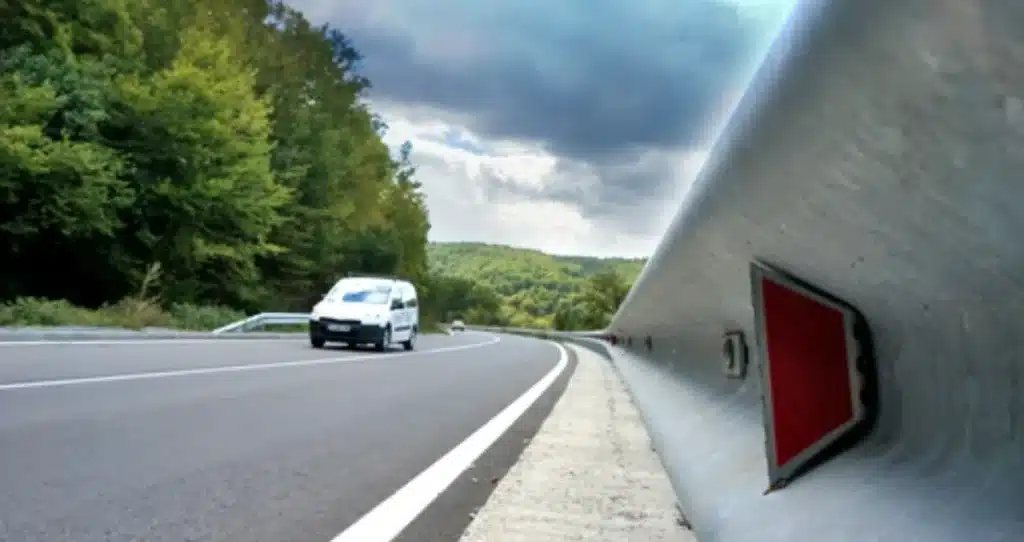
While individual actions matter, systemic improvements in road design and infrastructure can dramatically reduce pedestrian accidents. Cities and governments play a vital role here.
Build More Crosswalks: Increase Pedestrian Safety by Providing Safe Crossing Points
Strategically placed crosswalks can encourage pedestrians to cross at safer locations rather than darting into traffic. In areas with high foot traffic, adding mid-block crosswalks can also make a difference.
Improve Lighting: Ensure Adequate Lighting at Intersections and Crosswalks
Dimly lit areas are accident hotspots. Installing bright, energy-efficient lighting at intersections and along sidewalks enhances visibility, making it easier for drivers and pedestrians to see one another.
Install Pedestrian Signals: Help Pedestrians Cross Safely, Especially in Busy Areas
Pedestrian signals with countdown timers offer clear guidance and help pedestrians gauge how much time they have to cross. These signals are especially beneficial in high-traffic areas like downtown Austin.
Create Safe Walking Paths: Build Sidewalks and Bike Lanes to Separate Pedestrians and Vehicles
Sidewalks provide a designated space for pedestrians, keeping them out of vehicle lanes. Adding bike lanes further separates modes of transport, reducing conflicts and improving safety for everyone.
The Role of Community Awareness
Creating safer streets isn’t just about laws or infrastructure—it’s about fostering a culture of mutual respect. Community initiatives like pedestrian safety workshops, driver awareness campaigns, and school programs can instill responsible habits from an early age.
For example, teaching children the importance of crossing at crosswalks or encouraging drivers to prioritize pedestrian safety can have long-term effects on reducing accidents.
Why Prevention Matters
Preventing pedestrian accidents is more than a matter of statistics; it’s about protecting lives, fostering trust among road users, and creating safer communities. For every life saved and injury avoided, the ripple effect benefits families, workplaces, and neighborhoods. Remember, safety is a two-way street—literally and figuratively. Pedestrians and drivers share responsibility for creating an environment where everyone can move safely. However, if something happens then a legal attorney like Bryce Carpenter from the Personal Injury Group can help.
Conclusion
Pedestrian accidents don’t have to be a tragic inevitability. By following safety tips and advocating for better infrastructure, we can make significant strides in reducing these incidents. Whether you’re a pedestrian or a driver, small changes in behavior—like putting away your phone, using crosswalks, and obeying speed limits—can have a big impact. Urban planners and government officials also have a role to play by designing streets that prioritize safety. Bright lighting, clear signage, and ample sidewalks are not luxuries; they’re necessities. So the next time you step onto the street or slide behind the wheel, remember: safety starts with you. Together, we can create a community where pedestrian accidents are the rare exception, not the norm. Stay safe out there!
 Form is secure and your info will remain confidential