
What Is Personal Injury Law? A Simple Guide to Understanding Your Rights
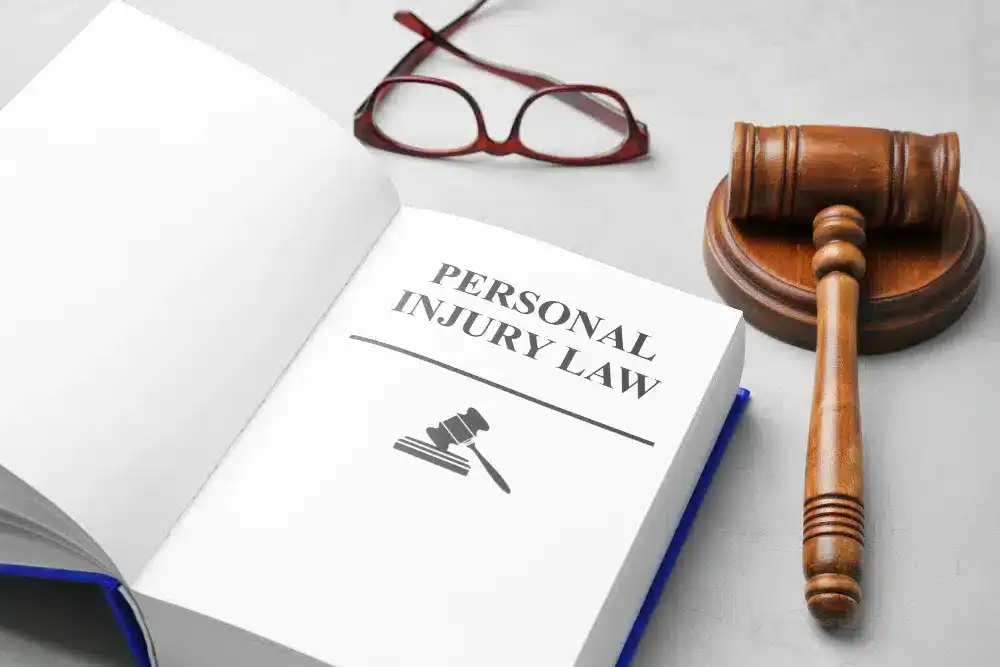
Personal injury law is a crucial aspect of our legal system, designed to help individuals who suffer harm due to someone else’s negligence. Whether it’s a car accident, a slip-and-fall incident, or medical malpractice, personal injury law aims to ensure that victims receive fair compensation for their injuries and losses. In this blog, we’ll break down what personal injury law entails, who can file a claim, what damages you can recover, and how to navigate the legal process. If you’ve ever wondered how personal injury law works, you’re in the right place.
What Is Personal Injury Law?
Personal injury law, also known as tort law, deals with situations where one person’s negligence causes harm to another. The main goal of personal injury law is to provide compensation to the injured party, known as the plaintiff, for the damages they have suffered. This compensation is intended to cover various losses, such as medical expenses, lost wages, and pain and suffering.
In essence, personal injury law is about holding people accountable for their actions or inactions that result in harm to others. The legal process involves filing a lawsuit against the responsible party or their insurance company to seek compensation. The case might be resolved through negotiation, settlement, or a court trial.
Who Can File a Personal Injury Claim?
Almost anyone who has been injured due to someone else’s negligence or wrongful actions can file a personal injury claim. This includes:
Car Accidents
If you’re injured in a car accident due to another driver’s negligence—such as speeding, drunk driving, or distracted driving—you can file a personal injury claim to seek compensation for your injuries, medical expenses, and other damages.
Truck Accidents
Truck accidents often involve larger vehicles and can lead to serious injuries. If a truck driver or trucking company is at fault—perhaps due to driver fatigue, overloaded cargo, or maintenance issues—you may have grounds for a personal injury claim.
Motorcycle Accidents
Motorcyclists are particularly vulnerable on the road. If another driver’s reckless behavior, such as failing to yield or running a red light, causes a motorcycle accident, you can pursue a personal injury claim for your injuries and damages.
Bicycle Accidents
Cyclists have the same rights as motor vehicles but are often at greater risk in traffic. If you’re hit by a car or another vehicle while riding your bike, you can file a personal injury claim to cover medical costs, lost wages, and other damages.
Pedestrian Accidents
If you’re injured while walking—whether due to a vehicle hitting you or unsafe conditions on the property—you can seek compensation through a personal injury claim. Pedestrians often have the right of way, making these claims particularly significant.
Uber and Lyft Accidents
Rideshare services like Uber and Lyft have become a common way to get around. If you’re injured in an accident involving a rideshare driver, you may have a claim against the driver, the rideshare company, or both, depending on the circumstances.
Slip and Fall
Slip-and-fall accidents occur when unsafe conditions, such as wet floors, uneven surfaces, or poorly maintained property, cause you to fall and get injured. If these conditions result from negligence by the property owner, you may be able to file a personal injury claim.
Wrongful Death
If a loved one dies due to someone else’s negligence or wrongful actions, you might be able to file a wrongful death claim. This type of claim seeks compensation for the survivors’ loss, including funeral expenses, loss of income, and emotional suffering.
In each of these scenarios, if you believe that negligence or wrongful actions led to your injury or loss, consulting with a personal injury lawyer can help determine the best course of action to seek the compensation you deserve.
What Damages Can I Recover?

Economic Damages
These are tangible losses you can quantify, such as:
- Costs for hospital stays, surgeries, medications, and physical therapy.
- Income lost due to your inability to work during recovery.
- Costs for repairing or replacing damaged property, like your vehicle.
Non-Economic Damages
These are more subjective and harder to quantify but can be equally important:
- Compensation for the physical pain and emotional distress caused by your injury.
- Reimbursement for psychological impact, including anxiety, depression, or loss of enjoyment in life.
- Compensation for the impact of the injury on your relationships with loved ones.
In some cases, you might also be awarded punitive damages, which are intended to punish the defendant for particularly egregious conduct and deter similar behavior in the future.
How Do I Prove Negligence?
To succeed in a personal injury case, you generally need to prove that the defendant was negligent. Negligence is a legal concept that involves several elements:
- Duty of Care
The defendant had a legal duty to act with reasonable care to avoid harming others. For example, drivers have a duty to follow traffic laws and drive safely.
- Breach of Duty
The defendant breached that duty by acting in a way that a reasonable person would not have. For instance, speeding or driving under the influence.
- Causation
The defendant’s breach of duty directly caused your injury. You must show that your injury was a foreseeable result of their actions.
- Damages
You suffered actual harm or losses as a result of the defendant’s actions. This includes physical injury, financial loss, or emotional distress.
Gathering evidence, such as medical records, witness statements, and accident reports, is crucial to proving these elements and building a strong case.
When Should I Contact a Lawyer?

It’s wise to contact a personal injury lawyer as soon as possible after your injury. The reasons for this include:
- Statute of Limitations – Each state has a time limit within which you must file your claim. Waiting too long can bar you from seeking compensation.
- Evidence Preservation – Early involvement allows your lawyer to collect and preserve crucial evidence before it disappears or becomes less reliable.
- Legal Guidance – n experienced lawyer can guide you through the complex legal process, negotiate with insurance companies, and ensure your rights are protected.
If you’re unsure about the strength of your case or how to proceed, consulting a lawyer can provide clarity and help you make informed decisions.
How Much Does It Cost to Hire a Personal Injury Lawyer?

Many personal injury lawyers work on a contingency fee basis. This means they only get paid if you win your case. Typically, the lawyer’s fee is a percentage of the compensation awarded, usually between 25% and 40%.
Here’s how it works:
- No Upfront Costs – You don’t have to pay anything upfront. The lawyer takes on the financial risk and only gets paid if you do.
- Contingency Fee – The lawyer’s fee is contingent on winning the case. If you don’t receive compensation, you don’t owe any legal fees.
- Additional Costs – There might be other costs associated with your case, such as court filing fees or expert witness fees. These are sometimes covered by the lawyer but can vary.
It’s important to discuss the fee structure with your lawyer upfront to understand what you might be responsible for and what is included in their service.
What Happens If I Lose My Case?

If you lose your personal injury case, it can be disheartening, but it’s important to understand the implications:
- No Compensation – You won’t receive any monetary compensation if you lose the case.
- Possible Costs – Depending on your agreement with your lawyer, you might be responsible for certain legal costs or fees incurred during the case.
- Appeal Options – If you believe the decision was unjust, you might have the option to appeal. This involves a higher court reviewing the case for potential errors.
Losing a case doesn’t necessarily mean all hope is lost. Discussing your options with your lawyer can provide insight into possible next steps and help you understand your rights.
Navigating personal injury law can be complex, but understanding these fundamental aspects can help you make informed decisions and protect your rights. If you’ve been injured due to someone else’s negligence, consulting a personal injury lawyer can be a crucial step in seeking the compensation you deserve. Remember, you don’t have to go through this process alone—legal professionals are here to guide you every step of the way.
Ready to take the next step? Contact us today for a free consultation.


 Form is secure and your info will remain confidential